
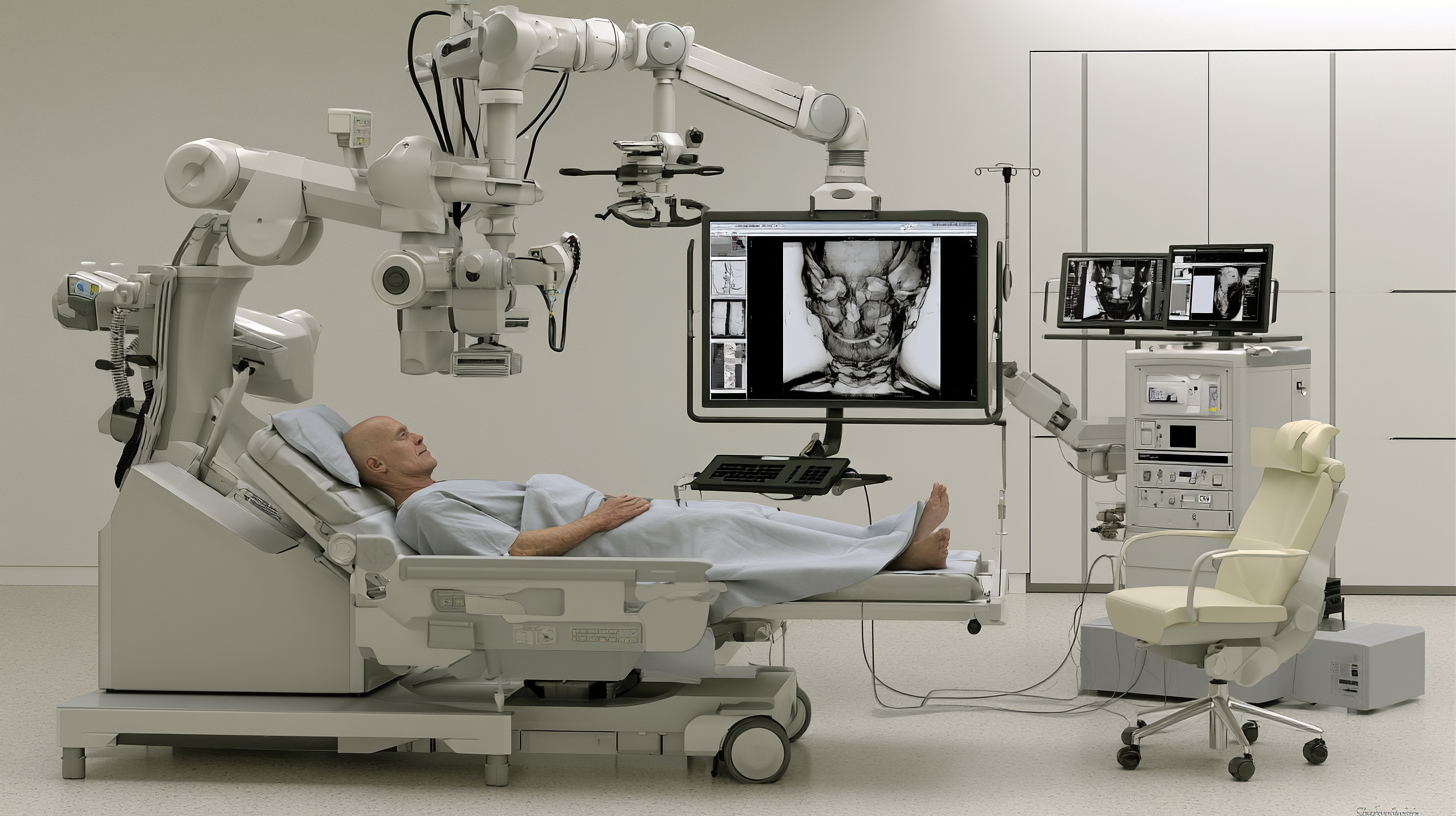
Precision medicine is moving from promise to pillar. At Davos it already appears among the foundations of the agenda toward 2030 — the fusion of AI and life science, with digital-twin technology quietly in the background. The vision is radical: AI reads the individual, and medicine responds to the individual diagnosis. It may be the end of Pharma as we know it — the population average giving way to the single patient.
A more human medicine
The appeal is easy to see. Precision medicine brings treatment closer to the person: more individual, fewer side effects, less invasive, more to the point — and respecting the patient's overall condition instead of a statistical mean. For patients, the upside is obvious. The idea is not the bottleneck.
But someone has to make it
Behind the vision sits a stubbornly physical question: who produces the answer, and at what scale? Many of the important APIs behind advanced, individualised therapies demand heavy, specialised machinery to manufacture. And supply is already short in the conventional market — hundreds of plants that simply do not exist yet. Meanwhile the industry gravitates toward the most profitable products rather than basic care — a known, structural problem. Precision medicine multiplies the number of "batches of one"; without a production answer, it stays a slide at a conference.
The digital twin
Digital-twin technology still looks infantile today — but it is growing, and with faster CPUs, quantum computing and abundant storage it will scale exorbitantly. A full digital twin of the human body serves two purposes at once: diagnostics that model the individual, and regulatory affairs that can test in silico. That is the credible path to replacing animal testing — and, crucially, the tests become more precise, not less. Apply the same twin logic to the plant, and individualised production becomes controllable, repeatable and audit-ready.
Where Senfina fits
The future of precision medicine will not be decided in the lab; it will be decided on the production floor. Senfina builds the intelligence and orchestration layer that turns fragmented, qualified capacity into responsive, on-demand supply — the substrate a world of individual diagnoses will need to answer them. AI can find the medicine for one patient. Senfina is about being able to make it.